



Common Gynaecological Problems Every Woman Should Know
One in five Indian women has PCOS. Endometriosis affects roughly 42 million women in the country. Cervical cancer remains one of the leading causes of cancer-related deaths among Indian women. Scary statistics, aren’t they?
From puberty to pregnancy, and eventually menopause, the female body goes through multiple hormonal and physical changes. Women deal with a lot of gynaecological symptoms every day. Painful periods, irregular cycles, and that surprise discharge are simply brushed off as normal. Sadly, these things are still taboo in society.
Most gynaecological conditions are highly treatable only when they are caught early. With trusted healthcare platforms like 4CEPS, women can now easily connect with experienced gynaecologists, book consultations, and take timely steps toward better reproductive health.
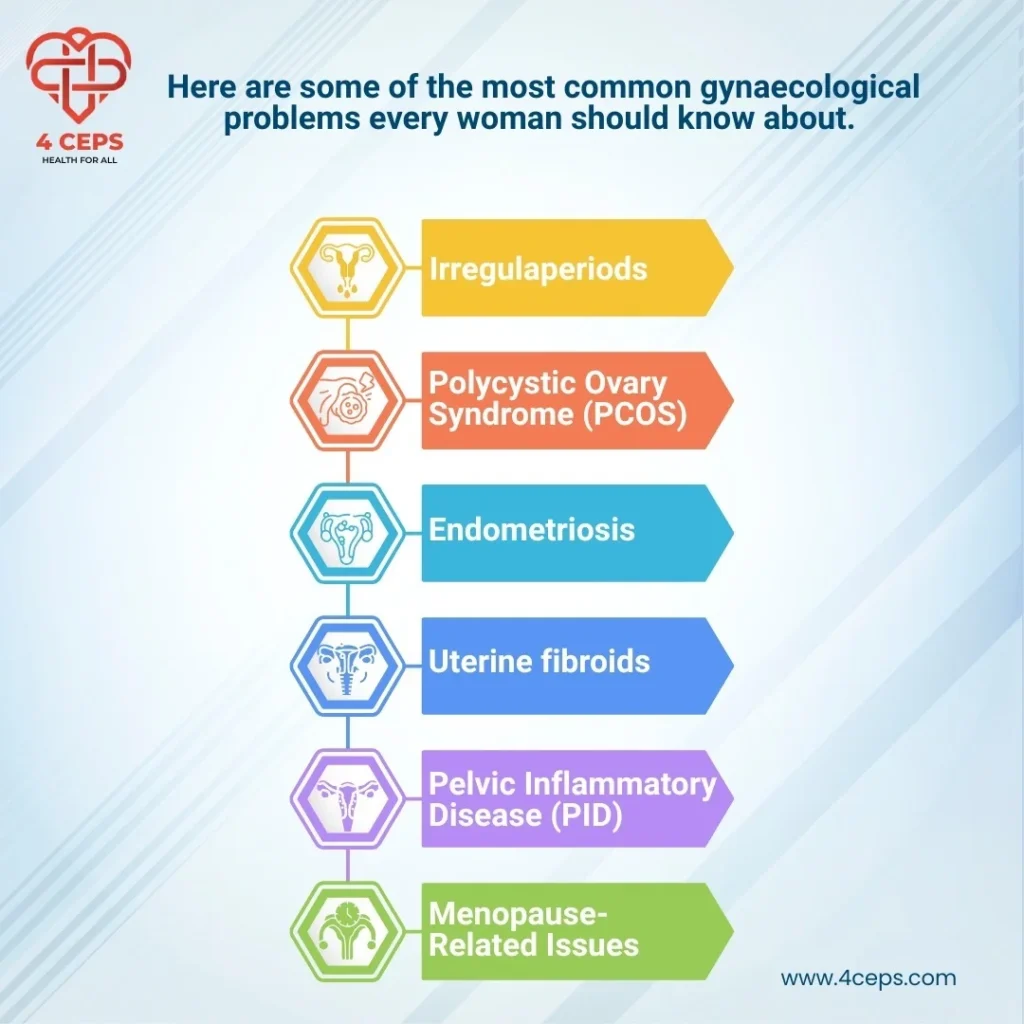
Here are some of the most common gynaecological problems every woman should know about.
1. Irregular periods
Periods that are too heavy, too light, too frequent, or missing the period for months altogether are some of the common signs your body indicates towards your health. While occasional slight variations in the menstrual cycle due to stress, travel, or illness are normal, frequent irregularity may indicate an underlying issue.
Some of the common causes we can list for irregular periods are hormonal imbalance, stress, thyroid issues, excessive weight gain, or PCOS.
If you observe an irregular pattern in your periods, consider consulting a gynaecologist without fail.
2. Polycystic Ovary Syndrome (PCOS)
PCOS is one of the most commonly found gynaecological problems women face these days. It is a hormonal condition in which a small fluid-filled sac (cyst) develops on the ovaries, disrupting ovulation.
Some of the warning signs you should watch out for in PCOS are irregular or skipped periods, excess facial or body hair, unexpected weight gain, uncontrolled acne, and difficulty conceiving.
If the PCOS is left untreated, it increases the risk of diabetes, infertility, and metabolic disorders. But the good news is that PCOS is very much manageable with the proper medical care and lifestyle changes.
3. Endometriosis
It is one of the most painful and also underdiagnosed conditions. Because the major symptom of endometriosis is an extremely painful period, which is often dismissed as just bad cramps by most women.
In endometriosis, tissues similar to the lining of the uterus grow outside the uterus, mostly on the ovaries, fallopian tubes, and surrounding pelvic tissues. Some of the symptoms include severe menstrual cramps, chronic pelvic pain, and heavy periods.
If the endometriosis isn’t evaluated properly, it can impact the woman’s fertility.
4. Uterine fibroids
Uterine fibroids are non-cancerous growths that develop in or around the uterus. They are extremely common, especially in women aged 30–50. And most of the women live with it without ever knowing the existence of fibroids.
Some of the symptoms that look normal and make this condition unnoticeable are heavy or prolonged menstrual bleeding, pelvic pain or pressure, frequent urination, and lower back pain.
Most fibroids don’t require aggressive treatment, but they do need monitoring as they can affect fertility in some cases. A gynaecologist can advise based on size, location, and overall health.
5. Pelvic Inflammatory Disease (PID)
PID is an infection of the female reproductive organs, often caused by untreated bacterial infections. The symptoms are quite similar to other gynaecological conditions like lower abdominal pain, abnormal discharge, and irregular bleeding.
PID can be subtle at first, but unaddressed, it can lead to chronic pain and fertility complications.
6. Menopause-Related Issues
Menopause is a natural transition phase in every woman’s life. It is a non-medical condition. But the symptoms it brings to a woman’s life, like hot flashes, mood swings, disturbed sleep, and loss of bone density, can make her regular life difficult. Maybe a proper medical guidance from the gynaecologist can help a woman navigate this phase smoothly.
Recognising these symptoms early is only the first step. Consulting a qualified gynaecologist at the right time can help prevent complications and ensure appropriate treatment. Through 4CEPS, women can conveniently access experienced specialists and make informed healthcare decisions without unnecessary delays.
Bottom line
Many women delay visiting a gynaecologist because symptoms seem minor or because there’s hesitation around the conversation. But gynaecological health is an important part of a woman’s overall wellness.
Remember, regular check-ups, open conversations, and awareness about common problems can help women take control of their health.
As a first step, book a consultation with a certified gynaecologist near you on 4CEPS compare specialists, check availability, and take the first step towards your health, on your terms.